One email a day: the top topics, each with the angle and the story, before you plan content. The daily report isn't open yet — leave your email and we'll tell you when it opens.
Image: nautil.us
Cooling
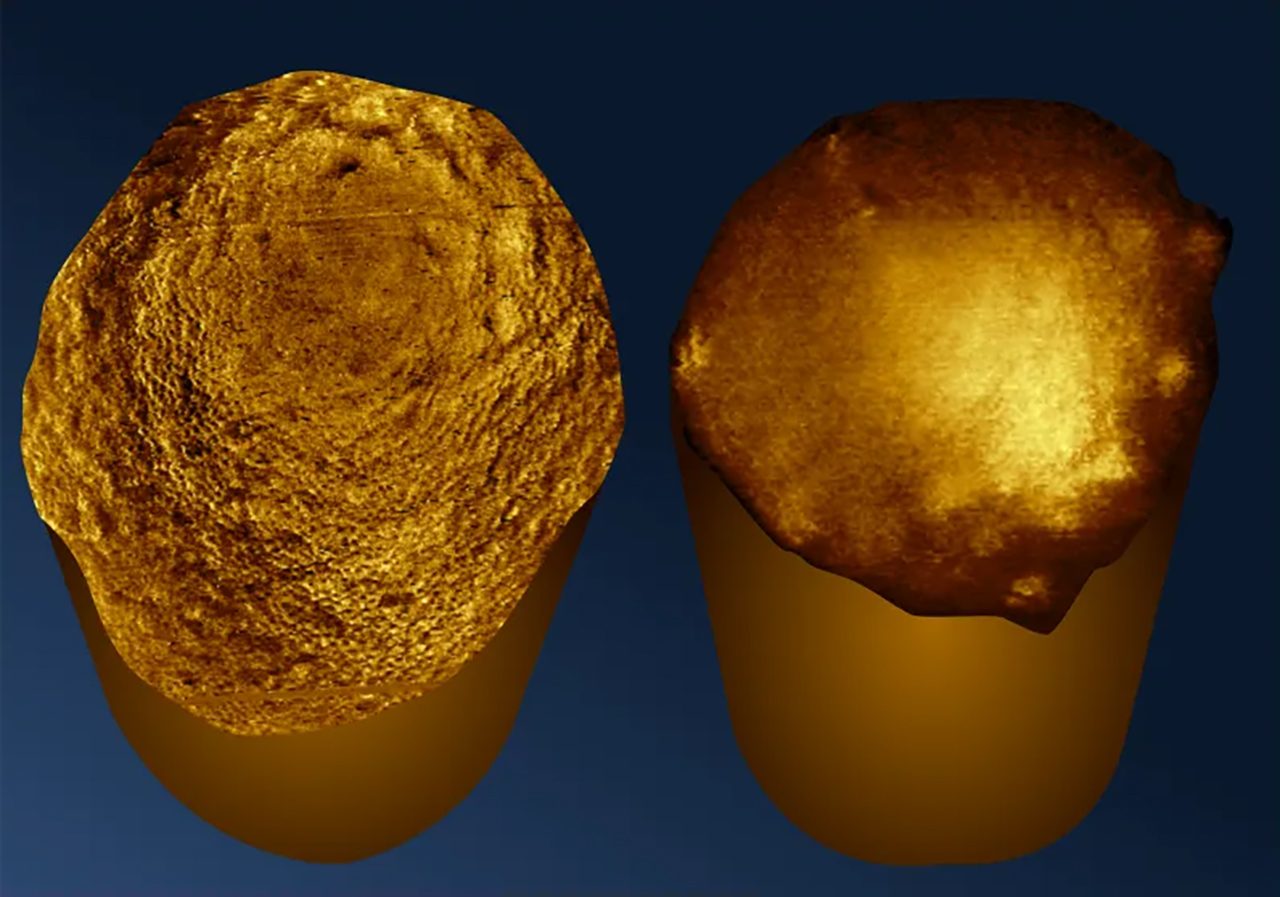
First photos of the poles of a rod-shaped bacterium
Heat 46 · #15 in Science · Cooling4 reports · 4 sources · First reported Nov 9 · Updated Nov 20
The story
Researchers have imaged the poles of live rod-shaped bacteria at nanometer resolution for the first time, using atomic force microscopy. In the UCL-led study, published in Nature Communications, a new immobilization method chemically attached cells to glass so that they stood upright after about 50 minutes, exposing their poles, the ends where cells divide. The team found that the poles of fast-dividing E. coli carried fold-like defects, while slower-growing cells had smoothly rounded poles. They also imaged Pseudomonas aeruginosa and Acinetobacter baumannii at this resolution for the first time. Because the poles are where division happens, the researchers say they may be targets for new antibiotics.
Latest developmentNov 18, 07:35
not in this round's HN snapshot
How it unfolded
Nov 18, 07:35
not in this round's HN snapshot
poles are where cells divide and may be targets for new antibiotics
Nov 10
phys.org 2026-11-10, brightsurf and allatra.media covered the same study
also first imaged Pseudomonas aeruginosa and Acinetobacter baumannii at this resolution
poles of fast-dividing E. coli had fold-like defects vs smoothly rounded poles of slower cells
Nov 9
UCL-led study in Nature Communications (Scheeder et al., DOI 10.1038/s41467-026-78975-y, published 2026-11-09): live rod-shaped bacteria imaged at nanometer resolution with atomic force microscopy via a new immobilization method - cells chemically attached to glass stood upright after about 50 minutes, exposing their poles
The angle
Scientists just photographed the ends of living bacteria for the first time - what the poles reveal about cell division and new antibiotic targetsSuggested format: Short video · for General audience interested in science and health